How much caffeine is in coffee? A UK guide, cup by cup
Ask ten people how much caffeine is in their morning coffee and you’ll get ten different guesses. That’s because there isn’t one answer. A mug of instant at home, a filter coffee and a double shot from a high-street café can be very different drinks.
Here’s what the figures say, why they vary so much, and how to work out roughly how much caffeine you’re having in a day.
1. A cup of instant: around 100 mg
The NHS uses a simple rule of thumb: about 100 mg of caffeine in a cup of instant coffee. It adds that filter coffee and coffee bought from coffee shops can contain more.
Mayo Clinic gives figures for a standard 237 ml (8 oz) serving: about 96 mg for brewed coffee and 62 mg for instant. The gap between the two sources is mostly down to cup size and how strong you make it. A big British mug often holds more than 237 ml, and a heaped teaspoon is not the same as a level one.
What to do: use 100 mg per mug of instant as your working estimate, and assume a large or strong mug is more.
2. Espresso and coffee-shop drinks vary the most
A single 30 ml (1 oz) espresso contains about 63 mg of caffeine, according to Mayo Clinic. In real cafés, though, the range is huge. Researchers in Glasgow bought 20 single espressos from different coffee shops and measured the caffeine in each. The amounts ran from 51 mg to 322 mg per serving. Serving sizes varied too.
So a latte or flat white made with one shot in one café could have several times the caffeine of the same drink down the road. Many large drinks also come with two or more shots as standard.
What to do: ask how many shots go into your drink, and treat coffee-shop coffee as a higher-caffeine option than the one you make at home.
3. Decaf isn’t zero, but it’s close
Decaffeinated coffee still contains a little caffeine. Mayo Clinic lists about 1 mg in a 237 ml cup of brewed decaf. That’s small enough to make decaf a sensible swap for an afternoon or evening cup.
What to do: if you love the taste but want to cut back, switch your later coffees to decaf rather than giving up altogether.
4. Tea, cola and chocolate count too
Coffee is rarely your only source. The NHS estimates:
- about 75 mg in a cup of tea, black or green
- about 40 mg in a can of cola
- about 80 mg in a 250 ml can of energy drink
- less than 25 mg in a 50 g bar of plain dark chocolate
- less than 10 mg in a 50 g bar of plain milk chocolate
Mayo Clinic’s figures for a 237 ml serving are lower for tea: about 48 mg for black tea and 29 mg for green. Again, brewing time and cup size make the difference.
What to do: when you count your caffeine, add up every drink and snack, not just the coffee.
5. How much caffeine is too much?
The European Food Safety Authority (EFSA) says that for healthy adults, single doses of up to 200 mg and up to 400 mg a day spread across the day raise no safety concerns. During pregnancy, EFSA’s figure is up to 200 mg a day from all sources, and the NHS advises the same limit.
Timing matters too. EFSA notes that even 100 mg can affect how long and how well some adults sleep, especially when it’s taken close to bedtime. Poor sleep then leaves you more tired the next day, and reaching for more coffee. We explain that loop in our article on four energy myths almost everyone believes.
What to do: four mugs of instant is roughly the 400 mg mark. Keep most of your caffeine to the morning and early afternoon.
When to talk to your GP
If you feel you can’t get through the day without several coffees, or you’re tired all the time even though you sleep enough, talk to your GP. Persistent tiredness can have causes that are worth checking. Our guide on how to stop feeling tired covers the everyday habits that help first.
What about Vit2go ENERGY?
If you’d rather not rely on a café’s guesswork, a product with a fixed caffeine amount makes counting easier. It doesn’t replace sleep, food or water, though.
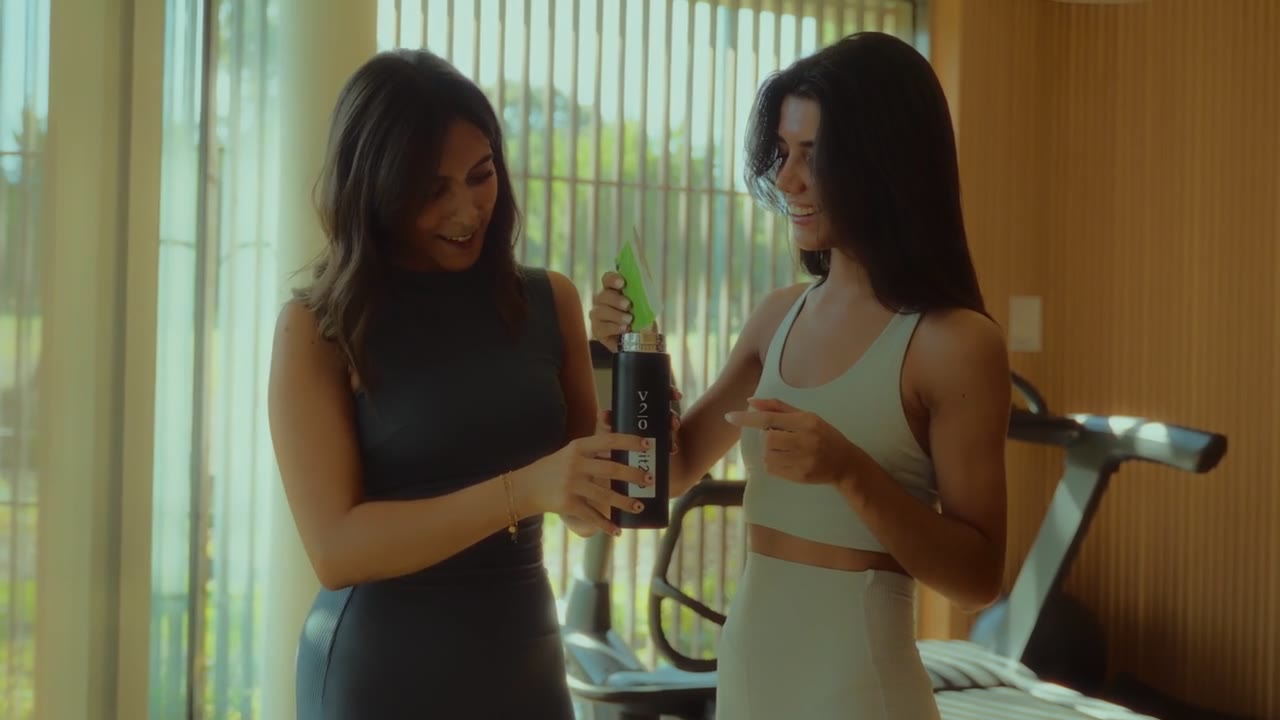
Vit2go ENERGY combines guarana, ginseng and caffeine with B vitamins. Vitamins B2, B3, B5, B6 and B12 contribute to the reduction of tiredness and fatigue. You mix it into water, and the sachets fit in any bag.
Each sachet contains 124 mg of caffeine, a little more than a cup of filter coffee. Take it the way you’d have a coffee: in the morning or before training, no more than one sachet a day, not on an empty stomach and not combined with other caffeinated drinks or alcohol. It’s not recommended for children, during pregnancy or breastfeeding, or if you’re taking medication.
You might also like Vit2go IMMUNITY and Vit2go DRINK RECOVERY.
FAQ
How much caffeine is in 1 cup of normal coffee?
Roughly 60 to 100 mg for a cup of instant and about 96 mg for a 237 ml cup of brewed coffee. The exact amount depends on the coffee, how strong you make it and the size of your cup.
How much caffeine is in a UK cup of coffee?
The NHS uses 100 mg for a cup of instant coffee as a guide, and notes that filter coffee and coffee-shop coffee can contain more.
Is 200 mg of caffeine a lot?
For healthy adults, 200 mg in one go is the upper end of what EFSA considers safe as a single dose. It’s also the full daily limit during pregnancy. Two mugs of instant coffee get you there.
Does espresso have more caffeine than filter coffee?
Per millilitre, yes. Per serving, not always: a single espresso has about 63 mg, less than a mug of brewed coffee. Coffee-shop espressos can vary a lot, though, from around 50 mg to over 300 mg in one study.
Sources
- NHS. Foods to avoid in pregnancy.
- Mayo Clinic. Caffeine content for coffee, tea, soda and more.
- Crozier T. W. M., Stalmach A., Lean M. E. J., Crozier A. (2012). Espresso coffees, caffeine and chlorogenic acid intake: potential health implications. Food & Function.
- EFSA. Caffeine.